
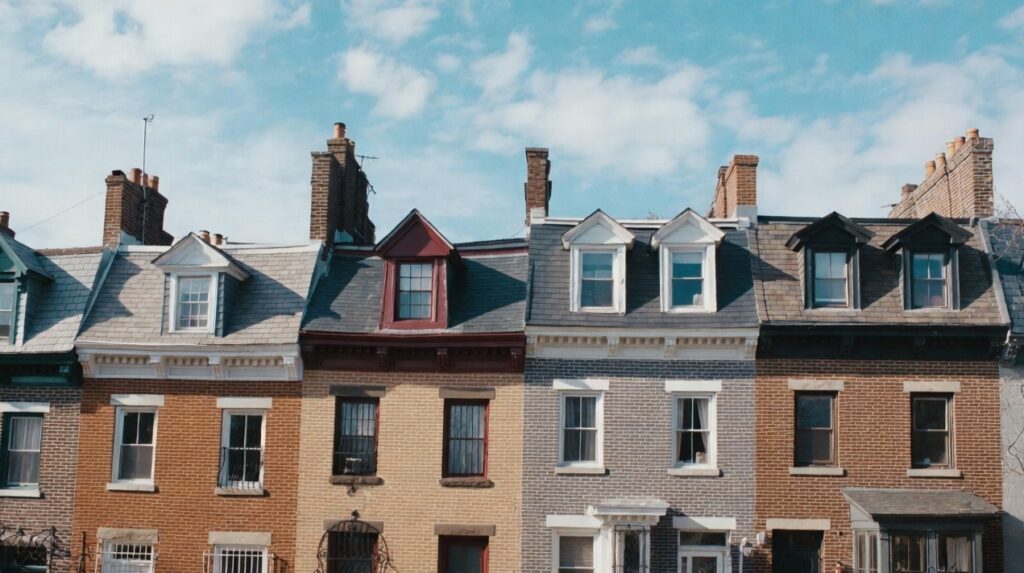
There is a certain magic woven into the streets of older American cities, a magic largely thanks to the humble rowhouse. These stately, attached homes, often built in the late 19th and early 20th centuries, stand as monuments to a bygone era of craftsmanship. With their intricate brickwork, tall stoops, and original timber frames, they offer a sense of permanence and character that is difficult to find in modern construction. For many, the appeal lies in walking through a front door that has been worn smooth by generations of residents, feeling an immediate connection to the history of the city itself.
However, the layout of a classic rowhouse often presents a puzzle for the modern dweller. Originally designed for a different way of life, these homes were typically divided into small, closed-off rooms, with kitchens relegated to the dark, rear of the house. The challenge for today’s homeowners is to respect the historic bones while reconfiguring the space for contemporary living. The most successful renovations are those that find a balance, carefully removing non-load-bearing walls to create an open, flowing floor plan without compromising the structural integrity of the original design.
Light is another crucial element in this revival. Many older rowhouses suffer from long, narrow layouts that can feel dark and tunnel-like. Modern renovations cleverly combat this by borrowing light from the newly opened spaces. The addition of large skylights, especially over stairwells, or the installation of glass-paned interior doors, allows sunlight to penetrate deep into the home. This interplay between the old and new—warm, original brick illuminated by bright, natural light—creates a stunning and dynamic living environment that honors its past while embracing the present.
The kitchen, once a hidden utility space, has now become the vibrant heart of the revived rowhouse. Designers are achieving this by extending the back of the house with sleek, glass-walled additions that flood the area with light and provide a seamless connection to a small city garden or patio. Inside, the contrast is often breathtaking: crisp, minimalist cabinetry and modern stainless steel appliances sit against a backdrop of weathered, original brick walls. This juxtaposition tells a story—a narrative of a home that has evolved with its family while never forgetting its roots.
Beyond the interior, the revival movement also extends to sustainability and efficiency. Old windows are often restored rather than replaced, as original wood can last for centuries with proper care. They are then fitted with discreet, modern weather stripping. Attics and basements are insulated with eco-friendly materials that don’t disturb the home’s historic fabric. This approach proves that honoring history and embracing green technology are not mutually exclusive goals, but rather, two sides of the same coin of thoughtful stewardship.
Ultimately, the revival of the rowhouse is about more than just updating a building; it is about curating a lifestyle. It is for those who appreciate the patina of age and the story behind a hand-carved mantlepiece, but who also refuse to sacrifice the comfort of a modern, functional home. By weaving together the charm of the past with the convenience of the present, these revitalized rowhouses offer a uniquely rich urban living experience, proving that the best homes are those that age gracefully, adapting to the needs of each new generation.